


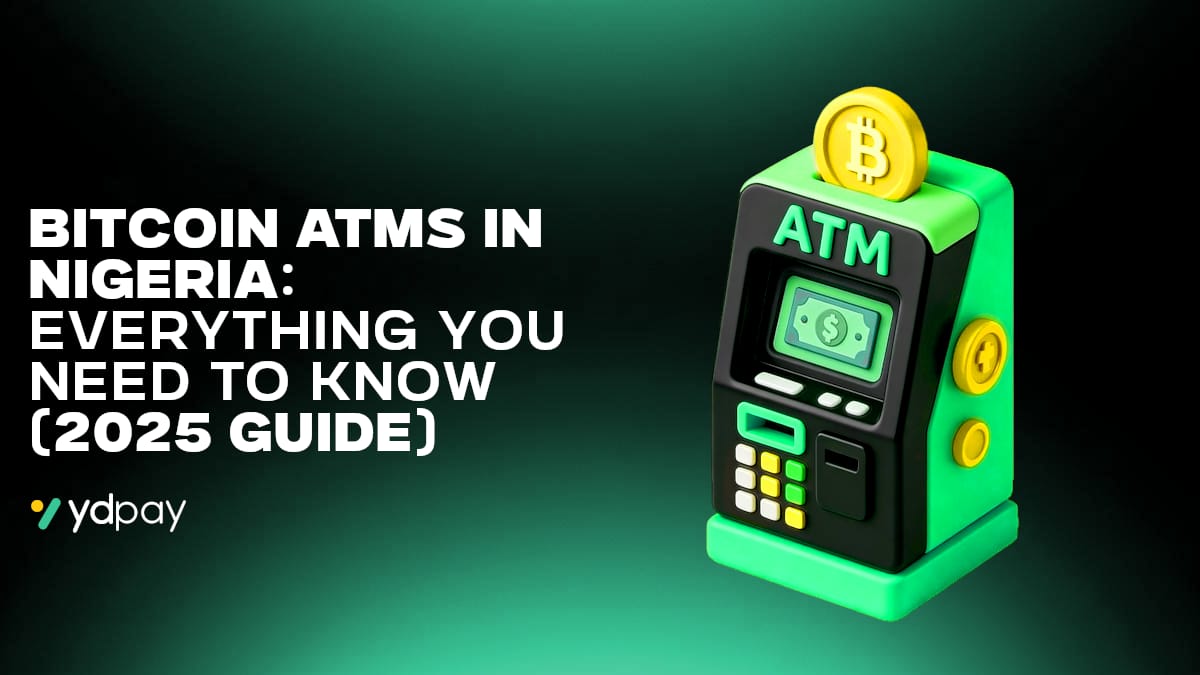
Bitcoin ATMs in Nigeria: Everything You Need to Know (2025 Guide)


Nigeria is one of the fastest-growing crypto markets in the world, yet users still ask the same question every year:
“Does Nigeria have bitcoin ATMs?”
With millions of Nigerians using Bitcoin for savings, remittances, and trading, the demand for convenient offline options continues to rise. Bitcoin ATMs, popular in the US, UK, Canada, and other regions, seem like the perfect solution.
But Nigeria has a unique regulatory environment. This guide explains whether Bitcoin ATMs exist in Nigeria, why they disappeared, the risks involved, and the better alternatives Nigerians use today.
What exactly is a Bitcoin ATM?
A Bitcoin ATM (also called a BTM) looks like a traditional cash machine, but instead of connecting to a bank, it connects to a crypto service provider.
In many countries, these machines are used to:
- Buy crypto with cash
- Sell crypto for cash
- Access certain account functions offline
They are very popular in countries with large physical retail networks and open crypto regulations.
But Nigeria is not one of those markets, at least not yet.
Does Nigeria Have Bitcoin ATMs?
No. Nigeria does not currently have active, regulated Bitcoin ATMs.
A few machines appeared briefly around 2017–2020 in Lagos, Abuja, and Port Harcourt, but they are no longer operational.
Platforms like CoinATMRadar (a global ATM directory) confirm that there are zero functioning Bitcoin ATMs in Nigeria in 2025.
Reasons include:
- Regulatory pressure
- Difficulty integrating with banks
- Compliance risk
- Security concerns
So if you’ve searched “Does Nigeria have Bitcoin ATMs?” — the answer is still: No, not at the moment.
Why Bitcoin ATMs Are Not Available in Nigeria
Bitcoin ATMs were tested in Nigeria several years ago, but multiple factors made long-term operation impossible.
1. CBN Restrictions on Banks and Crypto
The Central Bank of Nigeria previously issued directives prohibiting banks from directly facilitating crypto activity.
Since Bitcoin ATMs rely on bank rails, operators cannot function legally.
Even though regulations have softened slightly, Bitcoin ATMs remain unsupported.
2. Compliance & KYC Challenges
Bitcoin ATMs in other countries require identity verification.
Nigeria’s systems make it difficult to operate these machines without strong oversight, clear licensing, and approved compliance systems.
3. High Fraud Risk
Globally, Bitcoin ATMs are frequently abused for:
- Scams
- Fraud
- Error-prone transactions
Nigeria’s financial regulators remain cautious about allowing such vulnerable infrastructure without strict controls.
4. Operational Cost vs. Demand
Running a physical ATM requires:
- Cash management
- Security
- Location fees
- Technical maintenance
Most Nigerian crypto operators prefer digital apps instead, which are cheaper and far easier to scale.
The Truth: Nigerians Don’t Need Bitcoin ATMs Anymore
Even though Bitcoin ATMs sound convenient, Nigeria’s crypto community has moved on to faster and cheaper alternatives.
Nigerians today use:
- Crypto apps
- P2P platforms
- Web wallets
- Mobile services
These give far more flexibility than a machine.
And importantly, most crypto apps are safer and cheaper than Bitcoin ATMs even in countries where ATMs exist.
What Nigerians Use Instead of Bitcoin ATMs
Here are the real, practical alternatives Nigerian users rely on today:
1. Crypto Apps With Naira Support (Fastest Option)
Platforms built for Nigerians now provide:
- Instant Bitcoin access
- Easy conversion
- Local payment options
- Secure withdrawals
This is the most common way Nigerians buy and manage Bitcoin today.
YDPay is one of the fastest options for:
- Buying Bitcoin
- Holding crypto
- Sending and receiving Bitcoin
- Converting Bitcoin to Naira
Since ATMs do not operate in Nigeria, these apps offer the closest (and better) equivalent.
These give:
- Wallet access
- Price tracking
- Conversion tools
- Flexible funding options
The average Nigerian BTC user does not need a physical Bitcoin ATM because apps do everything faster.
Need an instant way to buy Bitcoin at your convenience? Download YDPay now for instant Bitcoin access (safer and cheaper than ATMs).
2. P2P Platforms (Most Widely Used Alternative)
Peer-to-peer platforms allow Nigerians to exchange crypto for Naira with verified users.
They function as the digital replacement for offline Bitcoin ATM machines.
No physical location needed. No hardware maintenance. No ATM fees.
Just transactions through mobile apps.
3. Web Platforms for Digital Services
For everyday crypto activity, such as buying vouchers, airtime, or utilities, Nigerians use platforms like:
Instead of using a Bitcoin ATM to get cash, users simply pay for services directly with Bitcoin.
Why Nigerians Keep Asking: “Does Nigeria Have Bitcoin ATMs?”
The question continues to trend for these reasons:
- Nigeria Has One of the Highest Crypto Adoption Rates in the World
Over 22 million people, which is 10.3% of Nigeria’s total population, currently own cryptocurrency. Interest in Bitcoin remains incredibly strong.
- Outdated Articles Still Mention Old Machines
Some old blogs still reference Bitcoin ATMs that were shut down years ago.
- Travelers Expect ATMs Because They Exist Abroad
Users who have seen Bitcoin ATMs in Europe or America assume they might exist here too.
- Some Scammers Claim to Operate Bitcoin ATMs
These claims create confusion in the market.
This is why updated information matters.
Will Bitcoin ATMs Return to Nigeria?
It's possible, but only if:
- New regulations allow them
- Operators receive proper licensing
- Compliance tools improve
- Banks partner with crypto providers
Until then, most providers prefer digital-first infrastructure.
Advantages Bitcoin ATMs Would Offer (If They Were Allowed)
Even though they don’t exist today, Bitcoin ATMs could benefit Nigerians by offering:
- A familiar, physical interface
- Offline access for unbanked areas
- Instant deposits and withdrawals
- Convenience in public spaces
But apps already deliver most of these benefits without the security risk, overhead cost, or maintenance burden of physical ATMs.
Risks of Bitcoin ATMs (Globally and Locally)
Even in countries where Bitcoin ATMs operate, users face risks:
- Extremely high fees
- Scam QR codes
- Wrong addresses leading to loss
- Fake ATMs installed by criminals
- Low customer support
- Vulnerability to hacking
For these reasons, apps and online platforms remain the preferred option for most Nigerian users.
FAQs
Does Nigeria have Bitcoin ATMs?
No. Nigeria currently has zero active, regulated Bitcoin ATMs.
Why were Bitcoin ATMs shut down in Nigeria?
Due to regulations, compliance challenges, and security risks.
Are Bitcoin ATMs legal in Nigeria?
There is no official licensing framework, so operators cannot deploy them legally.
What can I use instead of a Bitcoin ATM?
Crypto apps like YDPay provide instant, safe access to Bitcoin.
Are online crypto platforms safer than ATMs?
Yes. Apps provide better support, lower fees, and built-in security.
Conclusion
Nigeria does not have working Bitcoin ATMs today.
The machines that once existed were discontinued due to regulations, compliance issues, and operational limitations.
However, Nigerian users now have much better alternatives through secure, fast crypto apps designed for local needs.
If you want a safer, cheaper, instant way to buy and access Bitcoin, use YDPay now for instant Bitcoin access (safer and cheaper than ATMs).
.jpg)


Related Articles







Stay in the loop with market trends.


